 Skip to content


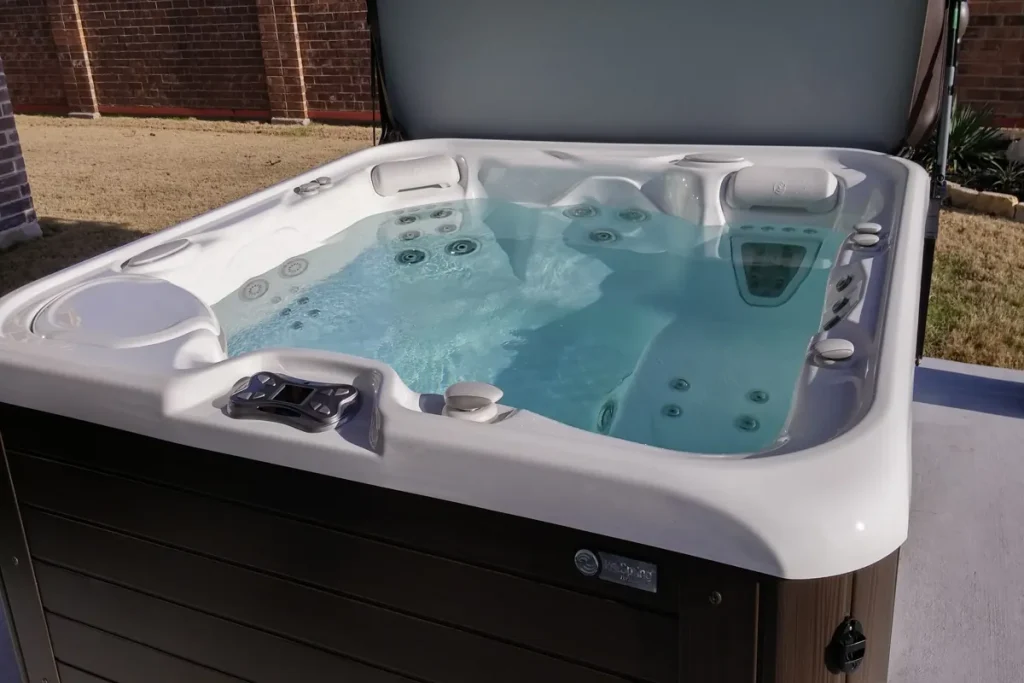
Hot tubs are a wonderful addition to any backyard. They provide relaxation, help sore muscles, and create a perfect spot for spending time with family and friends. However, installing a hot tub involves much more than just filling it with water and turning it on. The electrical hookup is one of the most critical parts of the installation, and getting it wrong can lead to serious dangers.
Many homeowners don’t realize that hot tubs require special electrical connections that are very different from regular household appliances. Understanding these risks helps keep your family safe and your investment protected.
Why Hot Tub Electrical Systems Are Different
Hot tubs need a lot of electrical power to run their heaters, pumps, jets, and lights. Unlike plugging in a lamp or television, hot tubs typically require a dedicated 240-volt circuit with specific amperage requirements. This means they need their own separate electrical line running directly from your home’s main electrical panel.
The combination of water and electricity makes hot tubs particularly dangerous if not installed correctly. Water conducts electricity very well, which means any electrical fault near or in your hot tub can create a life-threatening situation. This is why proper installation by qualified professionals is essential.
Ground Fault Circuit Interrupters: Your First Line of Defense
One of the most important safety features for any hot tub installation is a Ground Fault Circuit Interrupter, or GFCI. This device monitors the electrical current flowing to your hot tub and shuts off power immediately if it detects even a tiny imbalance that could indicate electricity is leaking into the water.
Without a properly installed GFCI, a person using the hot tub could receive a fatal electric shock before anyone realizes there’s a problem. Unfortunately, some improper installations skip this crucial safety device or install it incorrectly, leaving users vulnerable to electrocution.
GFCIs must be installed according to strict electrical codes and tested regularly to ensure they’re working properly. They should trip and cut power within milliseconds of detecting a fault.
Inadequate Wiring: A Recipe for Disaster

Using the wrong gauge wire for your hot tub installation is surprisingly common but extremely dangerous. A wire that’s too thin for the electrical load can overheat, melt the insulation, and potentially start a fire inside your walls.
Hot tubs draw significant power, especially when the heater is running. If the wiring can’t handle this load safely, it creates excessive heat buildup. Many house fires have started this way, with homeowners completely unaware of the danger lurking behind their walls until it’s too late.
Distance and Bonding Requirements
Electrical codes specify exactly how far electrical components must be from the hot tub water. These distances aren’t arbitrary—they’re calculated to prevent accidental contact between electrical equipment and water, even during splashing or if someone reaches out while in the tub.
Bonding is another critical safety requirement that many DIY installations miss. Bonding connects all metal components around the hot tub to create a common electrical potential. This includes the hot tub’s metal frame, any metal fencing nearby, water pipes, and other conductive materials.
Outdoor Installation Challenges
Installing hot tubs outdoors presents additional electrical challenges. The equipment must be protected from rain, snow, and moisture while still being accessible for maintenance. Weatherproof electrical enclosures and proper conduit systems are essential.
Buried electrical lines running to outdoor hot tubs must be at the correct depth and properly protected. If installed too shallow, someone digging in the yard could accidentally cut through the cable, creating an immediate hazard. The conduit material and installation method must also meet code requirements for underground installations.
Permit and Inspection Requirements
Many homeowners attempt to save money by skipping the permit process for hot tub installations. This is a serious mistake that can have expensive consequences. Unpermitted electrical work can:
- Void your homeowner’s insurance if something goes wrong
- Create liability issues if someone is injured
- Reduce your home’s value when discovered during a sale
- Result in fines and requirements to tear out and redo the work
Electrical inspections exist to verify that installations meet safety codes. An inspector checks wire sizing, GFCI installation, bonding, grounding, and dozens of other critical safety elements. This professional review catches dangerous mistakes before anyone gets hurt.
The Cost of Cutting Corners
Some homeowners hire unlicensed handymen or attempt DIY installations to save money on hot tub hookups. While this might seem economical initially, the hidden costs can be devastating:
Fire damage from inadequate wiring can destroy your entire home. Medical bills from electrical shock injuries can be enormous. Legal liability if a guest is injured can lead to lawsuits. Insurance companies may refuse to cover damages from unpermitted or improperly installed electrical work.
Warning Signs of Improper Installation
If your hot tub is already installed, watch for these warning signs that indicate electrical problems:
- The GFCI trips frequently, especially when the heater runs
- You feel any tingling sensation in the water
- Lights dim throughout your house when the hot tub operates
- The disconnect box or electrical panel feels warm or hot
- You notice a burning smell near electrical components
- The hot tub circuit breaker trips regularly
Any of these symptoms requires immediate professional attention. Don’t ignore warning signs—they indicate serious safety issues that need correction.
Making Safety a Priority
Hot tubs should be sources of enjoyment and relaxation, not danger. Proper electrical installation is the foundation of hot tub safety. While it’s tempting to save money with shortcuts, the risks far outweigh any potential savings.
Understanding these hidden dangers helps you make informed decisions about your hot tub installation. Whether you’re planning a new installation or evaluating an existing one, electrical safety should always be your top priority.
Professional Installation You Can Trust
Don’t risk your family’s safety with improper hot tub electrical work. Zoom Electric specializes in safe, code-compliant hot tub installations throughout Vancouver and the surrounding areas. Our licensed electricians understand the unique challenges of hot tub electrical systems and ensure every installation meets strict safety standards.
Contact Zoom Electric today for a professional hot tub electrical assessment and installation that puts your family’s safety first!

